Living for Help
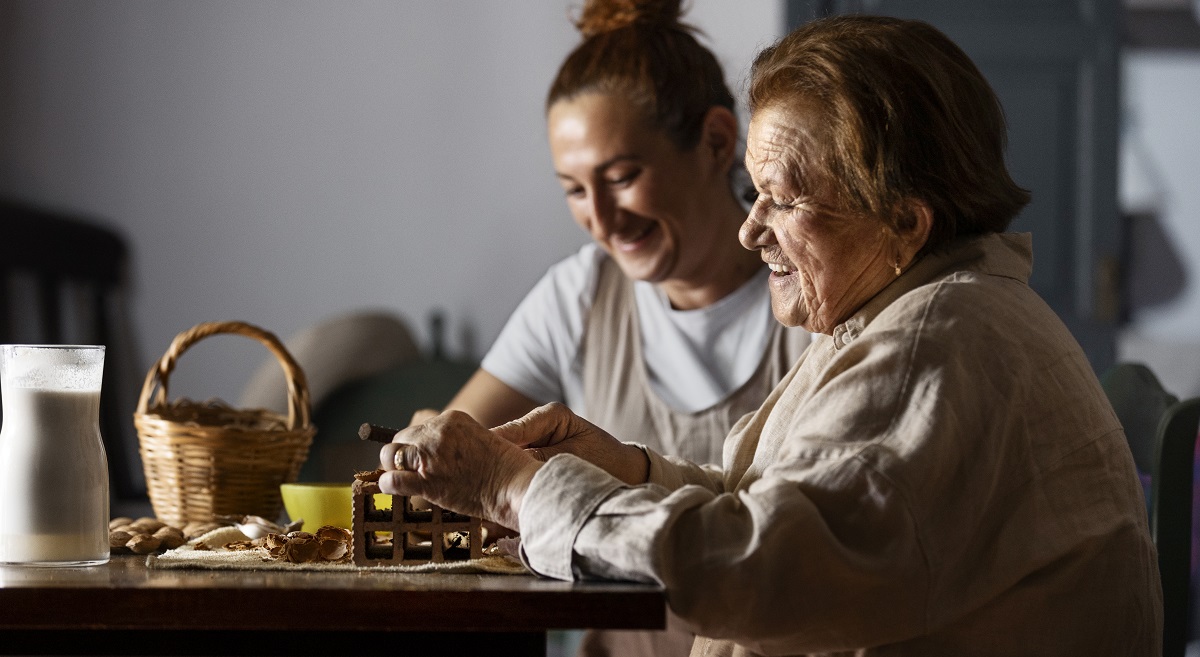
The concept of "Living for Help" has become increasingly important in recent years. It offers an innovative solution for people who need living space but are unable to pay full rent. At the same time, it allows others to receive household support. This housing partnership is based on the idea that both parties can mutually benefit from the relationship. While one party receives basic living space, the other party gets help with everyday life, which particularly benefits seniors.
What does "Living for Help" mean and how does it work?
How is the concept of "Living for Help" defined?
The concept of "Living for Help" refers to a form of housing where a person or family is provided with living space and in return receives support with household tasks or everyday chores. This type of housing partnership is especially popular among seniors, families, single parents, and students. Those in need of help often offer living space because they require household support, while students are looking for affordable housing options.
What advantages does this housing project offer for both parties?
The greatest advantage of this housing partnership is mutual support. Seniors or other landlords often benefit from help with the household, which makes their everyday life easier. Tasks such as shopping, cooking, or gardening can be done together, giving seniors more free time and improving their quality of life. On the other hand, tenants get an accessible housing option that is often below the usual rent per square meter because they cover part of the rent with household help. This is particularly attractive for students who want to save money.
What is the legal framework for such shared housing?
Legally speaking, "Living for Help" should be clearly regulated to avoid misunderstandings. A written contract specifying the number of hours of help per month, the rent, and utility costs is essential. This contract protects both parties and ensures that the agreements are clear and binding. In Germany, such agreements fall under rental law, and it is important to clarify the legal aspects in advance to prevent legal disputes.
How to find suitable living space for the "Living for Help" project?
Which ads and platforms help with the search?
To search for suitable living space within the "Living for Help" project, our platform helpindeal.com is a popular place to post offers or search requests. Helpindeal is a specialized platform and network that offers, among other things, "Living for Help." This platform provides not only listings but also further information to support the search for a suitable housing partnership. Simply create a deal with photos of the room and all necessary details. You can pause, edit, or reactivate your deal. You will receive an email notification when someone inquires about your deal.
What criteria should be considered when choosing living space?
When choosing living space, several factors should be considered. In addition to the location and size of the apartment, it is important to clarify the needs and expectations of both parties. What kind of household support is needed? How many hours per month are realistic and fair? It is also important to consider the chemistry between the parties, as they will be living together in a close housing partnership. Clear understanding and open communication are crucial to ensure a successful and harmonious housing partnership.
How to optimally adapt the living space to the needs?
To optimally adapt the living space to the needs, the tasks and the scope of household help should be precisely defined in advance. Adjustments can also be made to the furnishings or equipment to meet daily requirements. For example, an additional workspace could be set up for the tenant in the household or aids for supporting seniors could be provided. The adaptation of the living space should be flexible and tailored to the individual needs of the housing partnership.
What tasks can be taken over in the household?
Which typical household helps are needed most?
Typical tasks that can be taken over within "Living for Help" include a variety of household activities. These include cleaning the apartment, cooking meals, helping in the garden, or running errands. Accompanying someone to doctor visits or taking care of pets can also be part of the agreement. The specific tasks should be clearly discussed in advance and recorded in the contract to avoid misunderstandings.
How many hours of help per month are common?
The number of hours of help provided per month often depends on the size of the living space provided and the needs of the landlord. A common rule of thumb is that one hour of help per month is provided per square meter of occupied living space. However, this regulation is flexible and can be adapted based on the agreement and individual needs. It is important that both parties clearly define the working hours and regularly check whether the agreement is satisfactory for both sides.
How is the exchange of living space for household help organized?
The exchange of living space for household help should be well organized and documented. A contract that specifies the tasks, the hours of help per month, and the details of rent and utility costs is essential. Regular meetings where parties exchange experiences and make any necessary adjustments are also helpful. Open communication and flexibility help ensure the housing partnership runs smoothly and is beneficial for both parties.
How do seniors benefit from the "Living for Help" model?
What support do elderly people need in everyday life?
Elderly people often need support in various areas of everyday life. This includes help in the household, such as cleaning and cooking, but also support with mobility and everyday errands outside the apartment. Companionship and social interaction are also important aspects that seniors can receive within "Living for Help." Support in everyday life helps seniors stay in their familiar surroundings longer, which significantly increases their quality of life.
How does this model improve the quality of life for seniors?
The "Living for Help" model improves the quality of life for seniors in several ways. On the one hand, they receive necessary household support that makes their everyday life easier and gives them more free time. On the other hand, they benefit from the social interaction and companionship that arises from the housing partnership. These social contacts can reduce loneliness and promote the well-being of seniors. Furthermore, it allows seniors to stay in their familiar surroundings longer, which is often associated with a sense of security and comfort.
What precautions should be taken to ensure safety?
To ensure the safety of seniors in a "Living for Help" partnership, some precautions should be taken. This includes careful selection of the tenant, ideally through personal meetings and references. A detailed contract specifying the expectations and responsibilities of both parties is also important. Additionally, regular reviews and open communication channels should be established to ensure the agreement remains satisfactory for both sides and any issues are addressed.
What legal and financial aspects should be considered?
How are rent and utility costs regulated?
The regulation of rent and utility costs is an important aspect of the "Living for Help" model. Typically, a reduced rent is agreed upon because the tenant provides household help in return. The exact conditions should be recorded in the rental agreement to provide clarity for both parties. It is also important to clearly define utility costs to avoid later disagreements. Both parties should be clear about the financial obligations to ensure a fair and transparent housing partnership.
What are the tax implications of the "Living for Help" concept?
The "Living for Help" concept can also have tax implications. The household support received may, under certain circumstances, be considered a non-cash benefit that is relevant for tax purposes. It is advisable to obtain information about tax obligations in advance and, if necessary, seek tax advice. The exact tax treatment can vary depending on the individual situation, and it is important to consider all aspects to avoid unpleasant surprises. For example, registering a mini-job contract that is compensated at the same value in a rental agreement is suitable so that the amounts cancel each other out identically.
What contracts and agreements are necessary?
For a successful "Living for Help" partnership, clear contracts and agreements are essential. The rental agreement should specify the amount of rent, the hours of help per month to be provided, and the utility costs in detail. Additionally, it may be useful to create a contract that regulates specific household tasks and responsibilities. Such contracts protect both parties and create a clear basis for cooperation. Regular reviews and adjustments to the agreements can also help ensure the partnership remains beneficial for both sides.
------------------